How to Visit Reykjavik on a Budget: Money-Saving Tips
Published: 2 Oct 2026
Iceland’s capital has a reputation for empty wallets. Prices are high, and that surprises many first-time visitors. But Reykjavik on a budget is very doable if you know where the money goes and where it doesn’t have to.
This guide covers daily costs, cheap places to sleep, affordable food, free activities and low-cost transport. It also shows how to save more and whether the trip is worth it. Prices are in Icelandic krona (ISK), and I’ve added rough US dollar values where they help.
The Bottom Line: Reykjavik Daily Budget Breakdown
Online estimates for Reykjavik travel costs vary a lot. Some sites quote $50 to $85 a day, while others go above $130. The gap comes down to what they include, mainly lodging and how you eat.
The table below builds a per-person daily budget from the price ranges in this guide. It excludes flights. Treat it as a planning guide, not a promise.
| Expense | Lean budget | Comfortable budget |
| Sleeping (per person) | 5,000 to 8,000 ISK (hostel dorm) | 10,000 to 17,500 ISK (double room, split by two) |
| Food | 3,000 to 5,000 ISK | 6,000 to 8,000 ISK |
| Local transport | 700 to 1,400 ISK | 1,400 to 2,750 ISK |
| Activities | 0 to 1,400 ISK | 2,000 to 3,000 ISK |
| Daily total (estimate) | About 9,000 to 16,000 ISK | About 19,000 to 30,000 ISK |
At recent exchange rates, that is roughly $70 to $125 a day for the lean plan and $145 to $230 for the comfortable one. Check the current rate before you go.
Several 2026 guides put summer double rooms at about 20,000 to 35,000 ISK and winter rooms at 12,000 to 20,000 ISK. Lodging is the biggest line in your budget, so it is where you can save the most.
Affordable Accommodation
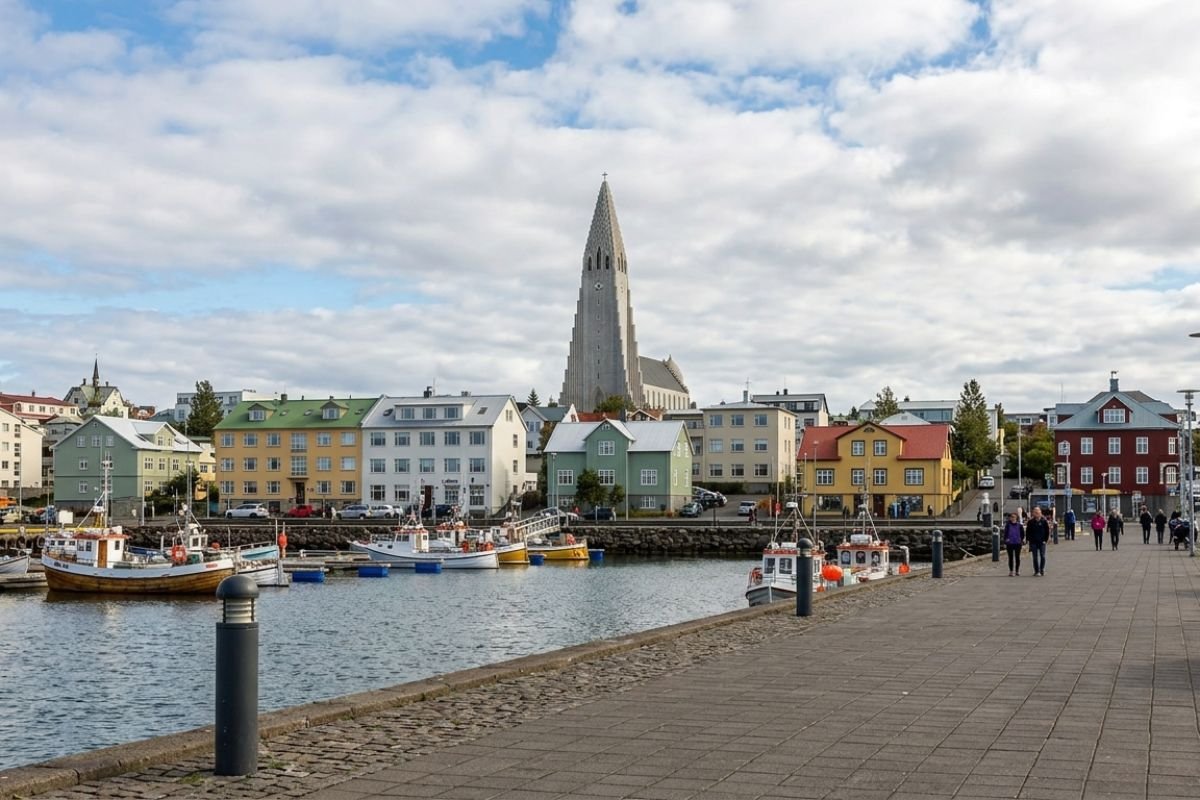
Where you sleep sets the tone for your whole Reykjavik travel cost. Central hotels in summer can take half your daily budget. A few smart choices change that.
Hostels and Dorm Beds
Hostels are the cheapest option. One 2026 guide lists dorm beds at 5,000 to 8,000 ISK per night in Reykjavik. Most hostels have shared kitchens, which helps your food budget too.
Families should ask about private family rooms. Some hostels offer them at prices well below a hotel.
Guesthouses and Apartments
Guesthouses and small apartments work well for families and groups. A kitchen lets you cook breakfast and some dinners. That saves a lot in a city where eating out is expensive.
Look at neighborhoods just outside the center. One guide notes that areas such as Vesturbær can be cheaper while still walkable.
When and How to Book
Timing matters. Winter rates are much lower than summer rates, and shoulder months like May and September often sit in between. You can also save by booking early for summer travel.
Use this quick checklist:
- Book summer stays several months ahead.
- Compare a central hotel with an outer neighborhood.
- Choose a place with a kitchen or free breakfast.
- Check for city lodging fees that may be added at checkout.
- Read the cancellation policy before you pay.
Eating Well for Less
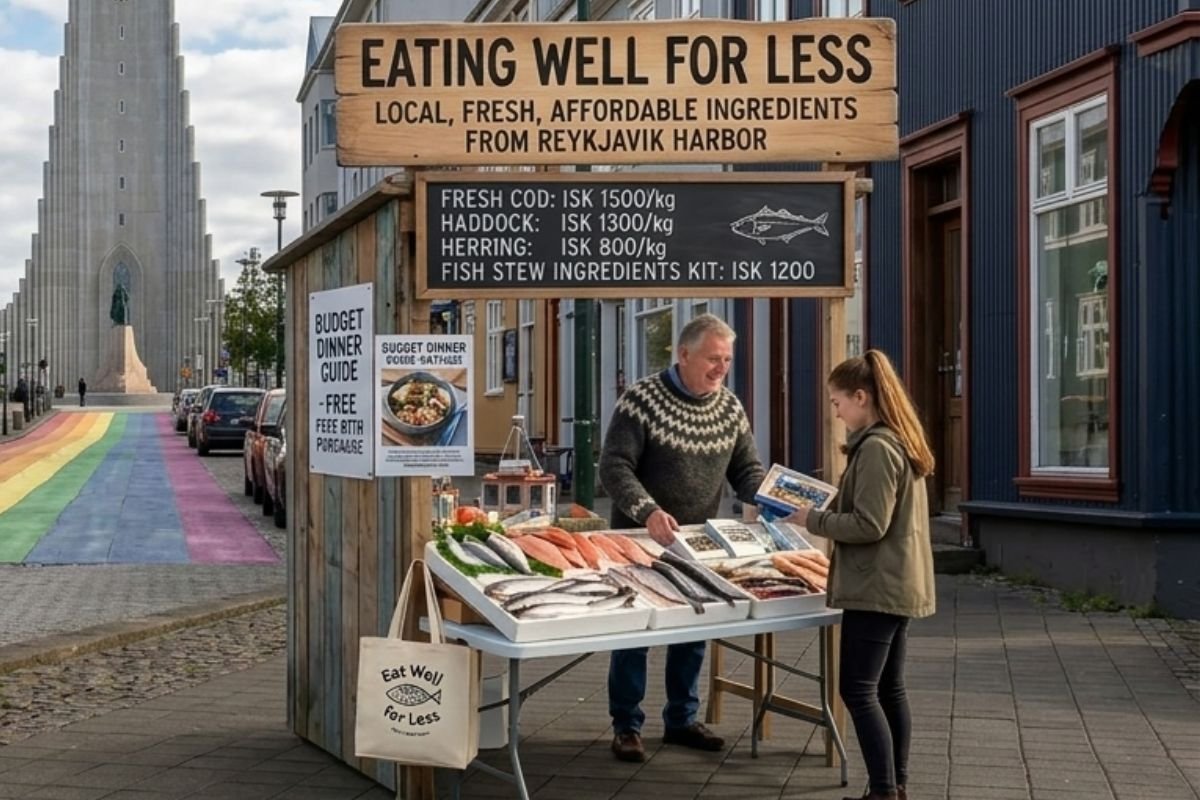
Food prices in Iceland are high because much of it is imported. A main course at a mid-range restaurant costs about 4,000 to 7,000 ISK. A sit-down dinner for a family can climb fast.
The good news is you can eat well without restaurant bills at every meal. The same guide says smart choices can keep daily food costs to 3,000 to 5,000 ISK per person.
Must-Try Budget Eats
These are affordable ways to taste local food:
- Bæjarins Beztu Pylsur: The famous hot dog stand at Tryggvagata 1, near the old harbor. Guides list prices from about 600 to 820 ISK, so check the current price at the stand. Order one “með öllu” (with everything).
- Bakeries: Grab bread, pastries and coffee for a light breakfast or lunch.
- Food halls: Places like Hlemmur Mathöll let a group pick different dishes at different prices.
- Noodle and soup spots: A hot bowl on a cold day is filling and often cheaper than a full plate.
- Lunch menus: Many restaurants charge less at lunch than at dinner for similar dishes.
Money-Saving Food Tips
Small habits add up quickly:
- Shop at discount supermarkets. Bónus is a popular choice for bread, cheese, skyr, fruit and sandwich supplies.
- Eat breakfast at your accommodation. A self-made breakfast costs a fraction of a café meal.
- Drink tap water. Reykjavik’s tap water is clean and free. Bring a refillable bottle and skip bottled water.
- Use happy hours. Many bars run them in the late afternoon, and they can cut drink prices a lot.
- Limit alcohol. Bar prices are among the highest you will see. One guide lists a craft beer at 1,200 to 1,800 ISK at most bars.
- Make lunch your big meal. Then keep dinner simple.
Traveling with kids? Pack snacks and a small cooler bag for day trips. Children often get hungry at the worst times, and tourist-area prices are steep.
Free and Cheap Things to Do
You don’t need to spend much to enjoy Reykjavik. The city is compact, walkable and full of free sights. This is where budget travel in Reykjavik really pays off.
Free Things to Do in Reykjavik
- Walk the waterfront past the Sun Voyager sculpture and the Harpa concert hall.
- Stroll Laugavegur, the main shopping street, and explore side streets with street art.
- See Hallgrímskirkja from the outside. It is the city’s best-known landmark. Going up the tower has a fee, but the views from the ground are good.
- Visit Tjörnin, the small city pond, and feed the birds (bring bird-friendly food).
- Walk or cycle in Laugardalur, a large green area with gardens and paths.
- Look for the Northern Lights in winter. Get away from bright city lights and watch aurora forecasts.
Cheap Things to Do
The best budget activity in Reykjavik may be the local swimming pools. Many people skip the pricey lagoons and choose these instead. One guide says adult prices run about 1,200 to 1,500 ISK.
Pools like Laugardalslaug and Sundhöllin have hot tubs, steam rooms and cold plunges. It is a real local experience. Swimsuit and towel rentals cost extra, so bring your own. Fees changed in 2026, so check the city’s swimming pool fee page, where the new fee schedule took effect on May 5, 2026.
Other low-cost ideas:
- Museums, often at modest entry fees
- Free walking tours (tip-based)
- Short bus rides to viewpoints and coastal walks
- The Reykjavik City Card, if you plan to visit several museums and pools
The City Card can be worth it only if you use it enough. It includes unlimited city bus travel, but do the math first. Add up what you actually plan to visit and compare it with the card’s price.
Getting Around Cheaply
Central Reykjavik is small, so walking covers most sights. For farther trips, the bus is your friend.
City Buses
The Strætó bus system is the cheapest way around the capital area. The single fare rose from 670 to 690 ISK on January 6, 2026. One ticket is valid for 75 minutes, including transfers.
Payment tips:
- Use the Klappið app, a contactless card or a Klapp card. Cash is no longer accepted on city buses, so don’t count on paying with coins.
- Fare capping limits how much you pay in a day if you use the same payment method. That protects you if you ride a lot.
- A 24-hour pass costs 2,750 ISK for adults, so it only pays off with many rides.
Getting In From the Airport
The airport is far from the city, so plan this trip. Options include the Flybus and public Strætó routes. One 2026 guide lists a one-way Flybus ticket at 3,999 ISK to the BSÍ terminal, with a higher price for hotel drop-off. Compare current prices and schedules on the official sites before you travel. A shared ride can be cheaper than a taxi for groups of three or four.
Skip the Rental Car (In Town)
You don’t need a car to enjoy Reykjavik. Parking is limited and fuel is costly. If you want to see areas outside the city, rent a car for just one or two days, or book a single group tour instead.
Pro Tips for Saving Even More
Here are the moves that save the most money:
- Travel in the shoulder or winter months. Rooms cost far less than in July and August.
- Stay 3 to 5 days. Daily costs pile up, so a short, focused trip often gives the best value.
- Cook some meals. Even two self-catered meals a day can cut food costs by half.
- Buy alcohol at the airport duty-free on arrival, if you drink. Bar prices are the main budget-killer.
- Choose pools over lagoons. You get the geothermal experience for much less.
- Use one paid highlight, not five. Pick the tour or attraction you most want and enjoy free sights for the rest.
- Pay in local currency or by card with no foreign transaction fee. Cards are accepted almost everywhere.
- Book big-ticket items early. Tours and lodging get pricier close to travel dates.
A common mistake is spending too much on convenience. Taxis, bottled water, café lunches and impulse tours quietly double a daily budget.
Is Reykjavik Worth It on a Budget?
Yes, if your goals match what the city does well. Reykjavik is small, safe and easy to explore on foot. It has strong culture, good food at every price level and geothermal pools that locals use daily.
It may not be worth it if you expect a cheap sun-and-beach trip or fine dining every night. Even a lean trip will cost more than most of continental Europe. One 2026 estimate compares budgets and says Reykjavik’s solo daily costs are higher than London’s.
The value comes from planning. Pick your dates, book smart accommodation, cook a few meals and lean on free sights and local pools. Then you can visit Reykjavik on a budget without feeling deprived.
Conclusion
A trip to Reykjavik on a budget comes down to five choices: where you sleep, how you eat, what you pay for, how you move around, and when you travel. Save on lodging and food, and you will have room for one or two experiences that really matter to you.
Use the daily budget table as a starting point. Then confirm current prices on official pages before you book. With good planning, an affordable Reykjavik trip is not only possible, it can be one of your best family adventures.
Frequently Asked Questions
How much money do I need per day in Reykjavik?
A lean traveler using hostels and grocery meals might spend about 9,000 to 16,000 ISK a day. A comfortable budget with a private room and some restaurant meals is closer to 19,000 to 30,000 ISK. Flights are extra.
Is Reykjavik expensive for tourists?
Yes. Iceland imports most goods, so food, drinks and lodging cost more than in most of Europe. Free sights, local pools and supermarket meals help offset that.
What is the cheapest month to visit Reykjavik?
Winter months usually have the lowest hotel rates. Shoulder months such as May and September can also offer savings compared with peak summer.
Can I drink the tap water in Reykjavik?
Yes. Tap water is clean and safe, and it is free. Bring a refillable bottle to avoid buying bottled water.
Do I need a car in Reykjavik?
No. The city center is walkable and buses cover the wider capital area. Rent a car only for the days you plan to explore outside the city.
Is the Reykjavik City Card worth it?
It depends on your plans. It can include bus travel and entry to museums and pools. Add up the attractions you actually want to visit, then compare that total with the card price.
How can I save money on food in Reykjavik?
Shop at discount supermarkets, eat breakfast where you stay, make lunch your main meal and use happy hours. Try local budget classics like the harbor hot dog stand.
Are Reykjavik’s swimming pools a good budget option?
Yes. Public pools cost far less than the big tourist lagoons and offer hot tubs, steam rooms and a local atmosphere. Check current fees and hours on the city’s official website.





- Be Respectful
- Stay Relevant
- Stay Positive
- True Feedback
- Encourage Discussion
- Avoid Spamming
- No Fake News
- Don't Copy-Paste
- No Personal Attacks
- Be Respectful
- Stay Relevant
- Stay Positive
- True Feedback
- Encourage Discussion
- Avoid Spamming
- No Fake News
- Don't Copy-Paste
- No Personal Attacks
