San Francisco Trip Cost: A Complete Travel Budget Guide
Published: 9 Oct 2026
Planning a San Francisco trip cost budget can feel confusing. Hotel prices swing a lot, food costs add up fast, and the famous attractions are not free. This guide breaks down what a visit really costs so you can plan with confidence.
You will see daily costs for budget, mid-range, and luxury travelers. You will also find total trip costs for 3, 5, and 7 days, plus money-saving tips and hidden costs. The numbers are per person and based on typical daily estimates. Flights are not included.
Table of Contents
Daily Cost Summary
Here is the quick answer. Most travelers spend about $64 per day on a budget trip, about $180 on a mid-range trip, and about $496 on a luxury trip. These totals combine lodging, food, transport, and activities.
| Travel Style | Accommodation | Food & Drink | Transport | Activities | Daily Total |
| Budget | $25 | $21 | $7 | $11 | $64 |
| Mid-Range | $70 | $60 | $20 | $30 | $180 |
| Luxury | $220 | $138 | $44 | $94 | $496 |
Treat these as planning averages, not fixed prices. Your real San Francisco travel costs will change with the season, your hotel location, and how many people share a room.
Accommodation Costs
Lodging is the biggest part of your budget. Rates change by neighborhood, season, and how early you book. Check current prices for your exact dates before you commit.
Budget (about $25 per night)
At this level, expect a dorm bed in a hostel or a very basic shared space. It is a good fit for solo travelers and backpackers. It is rarely practical for families.
Mid-Range (about $70 per night)
This figure works best as a per-person cost when you share a room. A private hotel room in the city often costs much more than $70 total. Families should price a full room, not a single bed.
Staying outside the busiest areas can lower the bill. Look at neighborhoods with good transit links, or consider hotels across the bay and ride in.
Luxury (about $220 per night)
This covers upscale hotels with strong locations, views, and extra services. Prices can rise sharply during big events and peak summer weeks. Book early if you want a specific hotel.
Food & Drink Costs
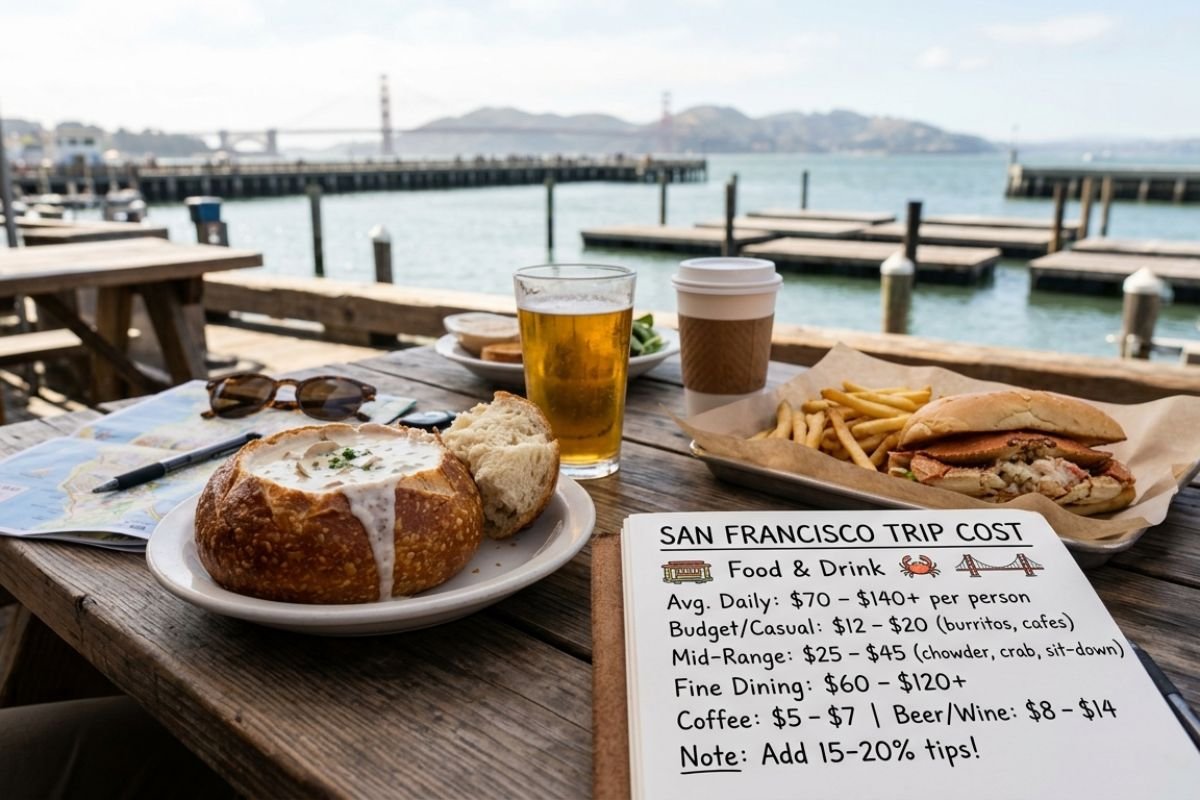
San Francisco is a food city, and prices reflect that. You can still eat well without overspending.
Budget (about $21 per day)
Plan on bakeries, taquerias, food markets, and grocery store meals. A hostel kitchen or a hotel with a fridge helps a lot. Picnic lunches in a park keep costs low.
Mid-Range (about $60 per day)
This usually means a casual sit-down meal each day, plus cheaper breakfast and snacks. It gives you room to try local favorites without a huge bill.
Luxury (about $138 per day)
Expect nicer restaurants, cocktails, and tasting menus. Reservations matter at popular spots. Tips and taxes also raise the final check, so build in extra room.
Transport Costs
Getting around is easier and cheaper than many visitors expect. You do not need a car for most trips.
Muni’s full single ride fare is $2.85 with Clipper or MuniMobile, cash is $3.00, and a cable car ride is $9.00. You can also tap a chip-enabled credit or debit card, a digital Clipper card, or a plastic Clipper card.
Good news for families: youth aged 18 and under ride regular Muni service free, though not the cable car, and kids 4 and under ride the cable car free.
Budget (about $7 per day)
Stick to Muni buses and trains, plus a lot of walking. Many top sights sit close together, so your feet do plenty of work.
Mid-Range (about $20 per day)
This covers a visitor pass or several rides, plus an occasional rideshare. It also fits one or two cable car trips.
Luxury (about $44 per day)
Think frequent rideshares and taxis, plus airport transfers. If you rent a car, add parking and fuel. Parking can add up quickly, so check your hotel’s rates first.
Visitor Passports vs. Single Rides
Cable cars are a classic experience, but single rides add up. The visitor passport prices are $15 for one day, $35 for three days, and $47 for seven days.
If you plan two or more cable car rides in a day, a pass can save money. It also covers Muni buses and streetcars.
One more thing to know. The SFMTA board has approved a plan to raise the cable car fare to $12 in 2027 and $18 in 2028, pending final approval, along with a new family-friendly pass. Check the SFMTA site before you travel.
Activities & Entrance Fees
Many of the best things to do in San Francisco cost little or nothing. Others, like Alcatraz, need a bigger budget.
Budget (about $11 per day)
Focus on free and low-cost sights:
- Walk across the Golden Gate Bridge
- Explore Golden Gate Park
- Stroll Fisherman’s Wharf and the waterfront
- Visit the Painted Ladies and nearby parks
- Walk the trails at Lands End
Mid-Range (about $30 per day)
This allows a paid attraction every day or two, such as a museum or a boat trip. It also fits one major splurge during your stay.
Luxury (about $94 per day)
Here you can add guided tours, private experiences, and premium sightseeing. The Alcatraz night tour and special tours sit at this level.
What Alcatraz Costs
Alcatraz is the big-ticket item for most families. The National Park Service does not charge an entrance fee, but you must buy a ferry ticket from Alcatraz City Cruises.
Day tour tickets cost $47.95 per adult, night tours cost $59.65, and the Behind the Scenes tour costs $104.65. Children cost less, and tickets can sell out, so book ahead. Buy only from the official seller to avoid markups.
Total Trip Cost by Duration
Now let’s put the daily numbers together. This table shows the total cost per person for common trip lengths. It uses the daily totals above and does not include flights.
| Trip Length | Budget | Mid-Range | Luxury |
| 3 days | $192 | $540 | $1,488 |
| 5 days | $320 | $900 | $2,480 |
| 7 days | $448 | $1,260 | $3,472 |
For a family of four, multiply by four as a starting point. Then adjust. Kids often ride Muni free, and a family can share one hotel room. That makes a family trip cheaper per person than a solo trip.
Longer stays can also lower your daily average, because you spend less on airport transfers per day.
Money-Saving Tips
A few smart choices can cut your San Francisco trip cost without hurting the fun.
- Book lodging early. Prices rise as dates fill up.
- Skip the rental car. Transit and walking cover most main sights.
- Use a visitor pass only if you will ride the cable car more than once.
- Buy Alcatraz tickets early from the official operator.
- Eat one big meal out per day. Make breakfast and lunch simple.
- Mix free and paid activities. Pair a paid attraction with a free park or bridge walk.
- Pack layers. You will avoid buying a jacket at tourist prices.
- Travel off-peak when you can. Shoulder seasons often bring lower hotel rates.
Hidden Costs to Watch For
Some costs surprise first-time visitors. Add a buffer of 10 to 15 percent to your total.
- Hotel taxes and fees. The nightly rate you see may not be the final price.
- Parking. City hotel parking can cost a lot per night.
- Bridge tolls. Drivers pay electronic tolls on the Golden Gate Bridge. Walking and biking are free.
- Tips. Restaurants, tours, and rideshares all add tip costs.
- Third-party ticket markups. Buy attraction tickets directly when you can.
- Airport transfers. Compare train, shuttle, and rideshare options before you land.
- Layers and gear. Fog and wind can make summer days cold.
Is San Francisco Expensive?
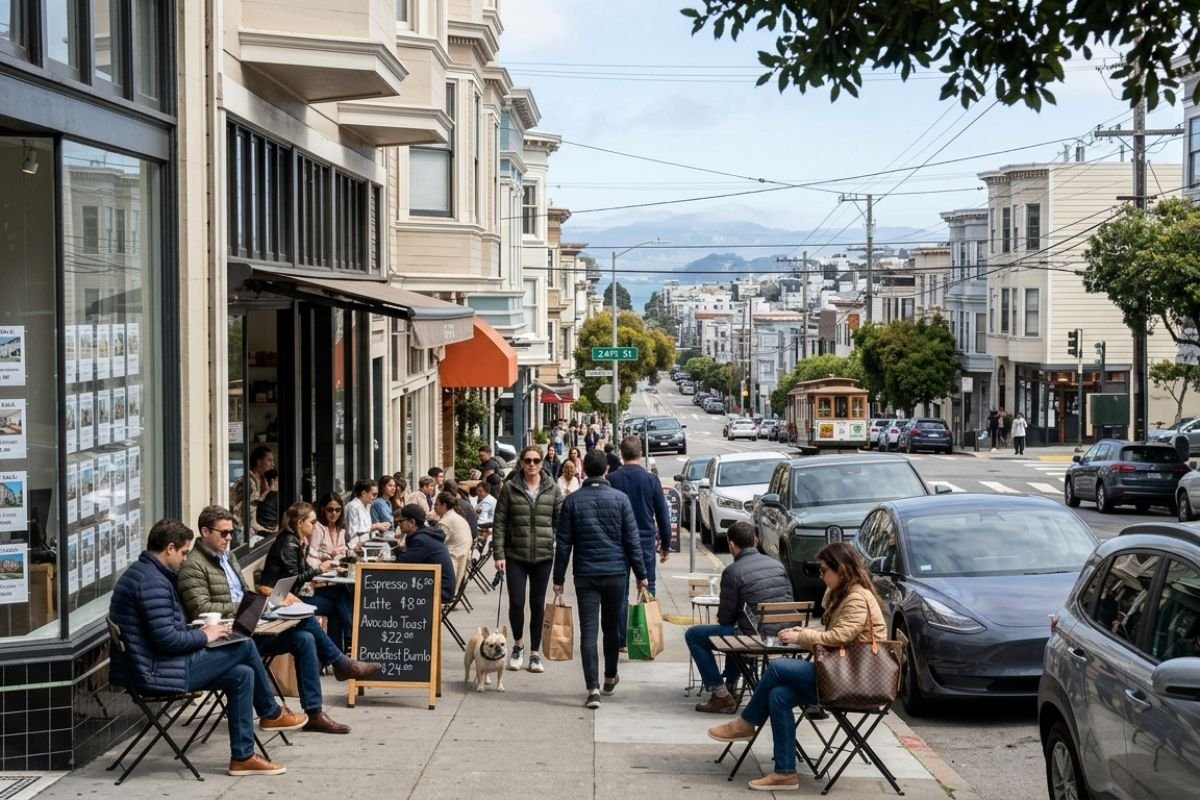
Yes, San Francisco is one of the pricier U.S. cities, mostly because of lodging. Hotels, parking, and restaurant meals cost more than in many other places.
The good news is that the city is easy to enjoy on a smaller budget. Many top sights are free. Public transit is simple. Kids ride Muni free.
A budget trip is possible, but your biggest savings come from smart lodging choices and careful planning. Many families find it manageable with a plan and a buffer.
Conclusion
Your San Francisco trip cost depends mostly on where you sleep, how you get around, and which attractions you pick. A budget trip runs about $64 per person per day. Mid-range is about $180, and luxury is about $496.
Plan your hotel first, add a transit plan, and pick one or two paid highlights. Fill the rest of your days with free sights. Check current prices for your dates, since fares and tickets can change.
Frequently Asked Questions
How much does a 5-day trip to San Francisco cost?
Per person, plan about $320 on a budget, $900 mid-range, or $2,480 for luxury. These totals exclude flights. Add a 10 to 15 percent buffer for taxes and surprises.
How much money do I need per day in San Francisco?
Most visitors need between $64 and $496 per day, depending on style. A comfortable mid-range day averages about $180 per person.
Do I need a car in San Francisco?
Usually no. Muni, walking, and occasional rideshares cover most tourist areas. A car adds parking costs and can be a hassle in busy neighborhoods.
Is the cable car worth the price?
Many visitors say yes for the experience, but it is a short ride. Take one or two rides, and use the visitor passport if you plan more.
Do kids ride Muni for free?
Yes. Youth aged 18 and under ride regular Muni service free. The cable car is the exception, though kids 4 and under ride it free.
Is Alcatraz worth the cost?
For most first-time visitors, yes. The ticket includes the ferry and an audio tour. Book early, since popular times sell out.
When is the cheapest time to visit San Francisco?
Off-peak and shoulder seasons often have lower hotel rates. Compare dates on hotel sites, since prices vary by year and events.
What are the best free things to do in San Francisco?
Walk the Golden Gate Bridge, explore Golden Gate Park, visit Lands End, and stroll the waterfront. These give you great views at no cost.





- Be Respectful
- Stay Relevant
- Stay Positive
- True Feedback
- Encourage Discussion
- Avoid Spamming
- No Fake News
- Don't Copy-Paste
- No Personal Attacks
- Be Respectful
- Stay Relevant
- Stay Positive
- True Feedback
- Encourage Discussion
- Avoid Spamming
- No Fake News
- Don't Copy-Paste
- No Personal Attacks
