Tokyo Trip Cost: Plan Your Budget Before You Go
Published: 12 Oct 2026
Planning your Tokyo trip cost is much easier when you break it into small parts. Hotels, food, trains, and sightseeing each take a slice of your money, and you control every one of them.
This guide shows a clear daily Tokyo travel budget for three travel styles: budget, mid-range, and luxury. You will also find total costs by trip length, ways to save, and the hidden fees that surprise many first-time visitors.
All figures are per person, per day, in US dollars. They do not include flights. Prices change with the season and the exchange rate, so treat every number as a planning estimate.
Quick answer: A budget trip to Tokyo costs about $46 per day, a mid-range trip about $136 per day, and a luxury trip about $360 per day, not counting flights.
Table of Contents
Daily Cost Summary
Here is how a typical Tokyo daily budget splits across the four main spending areas.
| Category | Budget | Mid-Range | Luxury |
| Accommodation (per night) | $18 | $53 | $160 |
| Food and drink (per day) | $15 | $45 | $100 |
| Transport (per day) | $5 | $15 | $32 |
| Activities and entrance fees (per day) | $8 | $23 | $68 |
| Total per person, per day | $46 | $136 | $360 |
A few notes on how to read this table:
- The mid-range hotel figure assumes two people share a room of about $106 a night.
- The luxury hotel figure assumes two people share a room of about $320 a night.
- Solo travelers usually pay more per person for a private room.
You may see higher averages on other 2026 travel sites. Some guides put even budget trips above $100 a day. The gap usually comes from hotel choice, dining habits, and travel season. The numbers here suit travelers who plan ahead, book early, and avoid peak dates.
Accommodation Costs in Tokyo
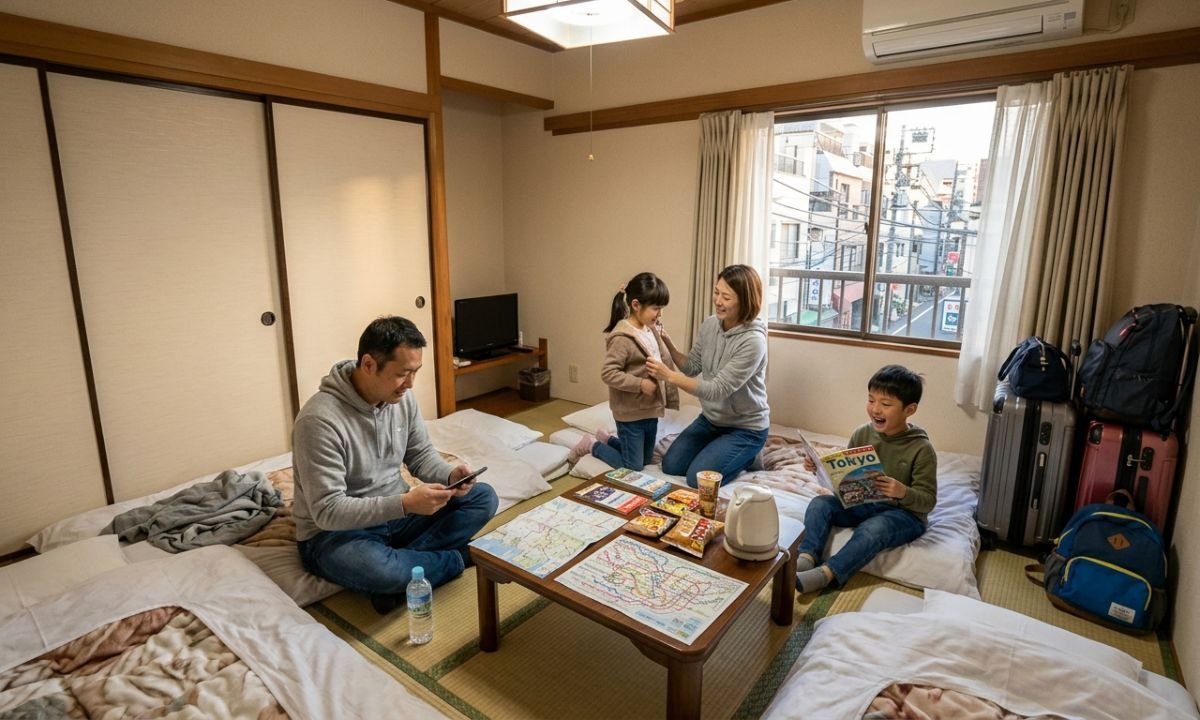
Hotels are often the biggest line in any cost of a trip to Tokyo. Where you sleep, and when you travel, can change your total more than anything else.
Budget Stays ($18 per night)
At this level, you will mostly book a dorm bed in a hostel or a capsule hotel. Bathrooms are usually shared. Space is small, but places are clean and safe.
Book early for weekends and holidays. Cheap beds sell out first, and prices rise fast close to the travel date.
Mid-Range Stays ($53 per night)
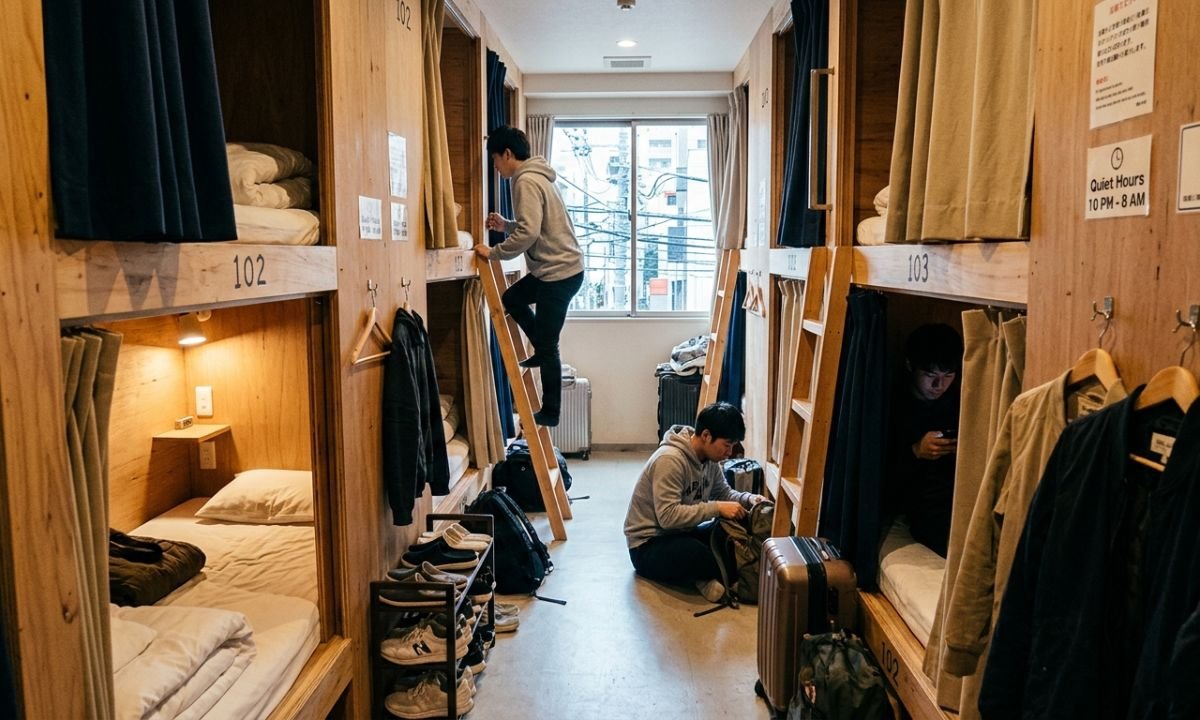
This is the classic Tokyo business hotel. Rooms are compact, tidy, and close to train stations. Many include a private bathroom, a small desk, and free Wi-Fi.
The $53 figure works when two people split a room. A solo traveler will likely pay more.
Luxury Stays ($160 per night)
At about $160 per person, you can expect a four or five star hotel with large rooms, city views, and strong service. Popular areas include Ginza, Marunouchi, and Shinjuku.
Prices can climb well above this level for top brands and high floors.
Where to Stay to Keep Costs Down
A good location saves both money and time. These areas work well for first-time visitors:
- Shinjuku: Huge train hub with many hotel choices.
- Shibuya: Lively, central, and easy to reach by train.
- Tokyo Station area: Best if you plan day trips by bullet train.
- Ueno and Asakusa: Often cheaper, and close to temples and museums.
Staying near a major station helps you skip taxi fares and long walks with luggage.
Food and Drink Costs in Tokyo
Food is the easiest cost to control. Tokyo has excellent cheap meals, and you do not need to spend a lot to eat well.
Budget Food ($15 per day)
A budget day often looks like this:
- Breakfast from a convenience store (onigiri, sandwich, coffee)
- Lunch at a standing noodle shop or a set meal restaurant
- Dinner of ramen, curry, or a rice bowl
A bowl of ramen often costs roughly 1,000 yen. Lunch sets are usually cheaper than dinner at the same restaurant.
Mid-Range Food ($45 per day)
At $45, you can sit down for most meals. Think grilled fish sets, tempura, conveyor-belt sushi, and a cafe stop in the afternoon. You can also try an izakaya (casual pub) in the evening.
Luxury Food ($100 per day)
This budget covers a nice dinner, a good lunch, and drinks. A top sushi counter or a tasting menu can cost much more than $100 for one meal, so set a limit before you book.
Tipping is not expected in Japan, so the menu price is usually the final price.
Transport Costs in Tokyo
Tokyo has one of the best public transport systems in the world. It is also easy to use once you have an IC card.
Budget Transport ($5 per day)
This level works if you walk a lot and stay near the places you want to see. Tokyo Metro fares start from 180 yen for a short ride, so a few rides a day stay cheap.
Mid-Range Transport ($15 per day)
Most visitors land here. You will use the subway and JR lines several times a day, plus the occasional bus. A rechargeable IC card such as Suica or Pasmo makes each ride simple. Many visitors add one to a phone wallet.
Luxury Transport ($32 per day)
At this level, taxis become part of your day. They are handy late at night, with kids, or with heavy bags. Costs add up quickly in heavy traffic.
Transport Costs to Plan Separately
The daily figures do not include these one-time costs:
- Airport transfer between Narita or Haneda and your hotel
- Bullet train day trips, such as a ride to Kyoto, which cost roughly $90 each way
- Regional passes for places like Hakone
Check current fares on the Tokyo Metro website and your airport train operator before you go.
Activities and Entrance Fees
Tokyo has many free and low-cost things to do. You can fill several days without paying for much.
Budget Activities ($8 per day)
Free favorites include:
- Senso-ji Temple in Asakusa
- Meiji Shrine and its forest paths
- The Imperial Palace East Gardens
- The free observation deck at the Tokyo Metropolitan Government Building
- Shibuya Crossing and neighborhood walks
Add one small paid spot, such as a garden or a small museum, and you stay near $8 a day.
Mid-Range Activities ($23 per day)
At $23 a day, you can visit one major paid attraction most days. Good options are an observation tower, a large museum, or an art experience like teamLab. Some popular places need advance tickets, so book early.
Luxury Activities ($68 per day)
This level covers private guides, special tours, cooking classes, and reserved experiences. It also gives you room for premium seats and extra fees.
Total Tokyo Trip Cost by Duration
Here is the full Tokyo trip cost by length of stay. Totals are per person, based on the daily figures above, and do not include flights.
| Trip Length | Budget | Mid-Range | Luxury |
| 3 days | $138 | $408 | $1,080 |
| 5 days | $230 | $680 | $1,800 |
| 7 days | $322 | $952 | $2,520 |
| 10 days | $460 | $1,360 | $3,600 |
| 14 days | $644 | $1,904 | $5,040 |
These totals multiply the daily cost by the number of days. For a precise number, count your actual hotel nights and add airport transfers.
Flights are usually the largest single cost for visitors from abroad. Add them separately, and check fares on several dates.
Money-Saving Tips for Tokyo
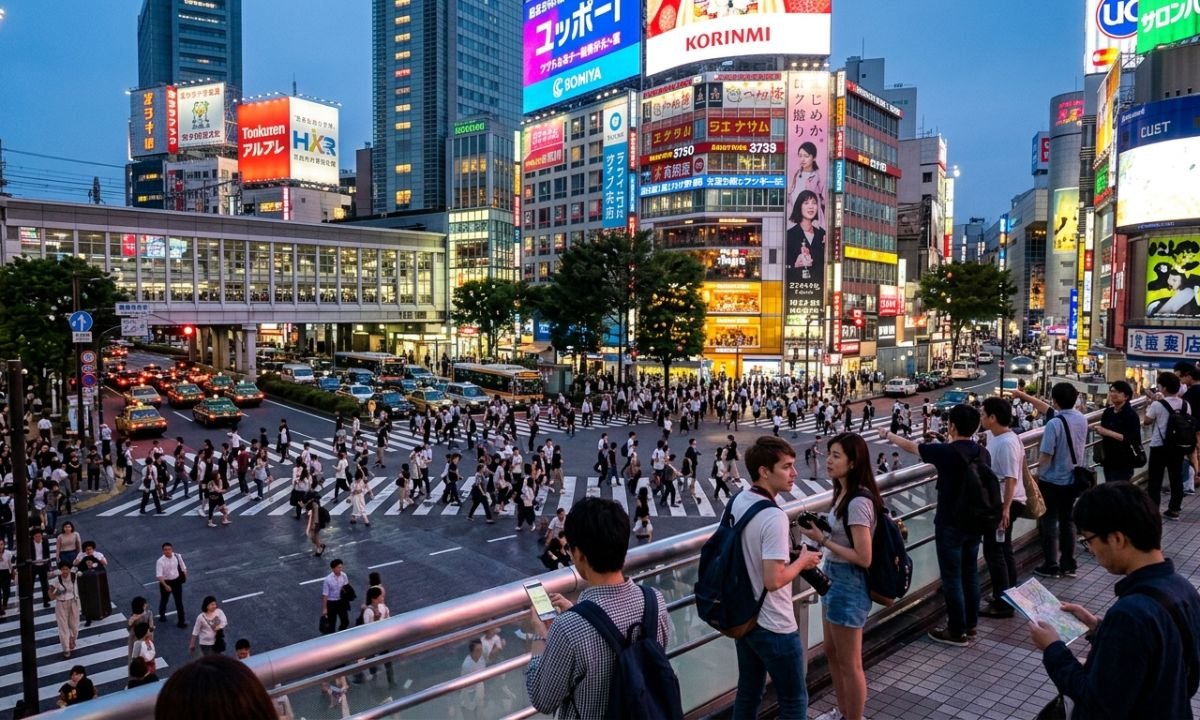
You can lower your Tokyo trip cost without missing the best parts of the city. These habits help the most:
- Travel in the off-season. Mid-January to February is often cheaper. Cherry blossom season and Golden Week raise hotel prices sharply.
- Book hotels early. The best-value rooms near stations go first.
- Eat a big lunch set. Many restaurants offer lunch menus at lower prices than dinner.
- Use convenience stores wisely. Breakfast or a quick snack from a konbini is cheap and good.
- Use an IC card. It saves time and avoids buying single tickets.
- Walk between nearby sights. Many Tokyo neighborhoods are close together.
- Mix free and paid activities. Pair a paid attraction with a free park or shrine on the same day.
- Skip the rail pass for Tokyo-only trips. City trains are cheap, and a long-distance pass rarely pays off if you stay in town.
- Plan day trips carefully. One bullet train trip can cost as much as a night in a mid-range hotel.
When Is Tokyo Cheapest?
| Season | What to Expect |
| Late March to early April | Cherry blossoms, big crowds, highest hotel prices |
| Late April to early May | Golden Week holidays, busy and costly |
| Summer | Hot and humid, with some mid-range deals |
| October to November | Pleasant weather, moderate prices |
| January to February | Cold and dry, often the lowest prices |
Hidden Costs to Watch For
Many travelers plan for hotels and food but forget the extras. Add these to your Tokyo travel budget:
- Flights: Not included in the daily figures. They are often the biggest expense.
- Departure tax: Japan raised its International Tourist Tax from 1,000 yen to 3,000 yen on July 1, 2026. It is usually included in your ticket price. Children under two are exempt.
- Tax-free shopping changes: From November 1, 2026, tourists pay the full price including 10% consumption tax at the store. You then claim the refund when you leave Japan, and you must carry the items with you.
- Airport transfers: Train, bus, or taxi costs vary a lot.
- Mobile data: An eSIM or pocket Wi-Fi adds a small cost.
- Cash and card fees: Many small shops still prefer cash, and foreign card or ATM fees can add up.
- Luggage storage or forwarding: Coin lockers and delivery services cost extra.
- Travel insurance: Not required for entry, but worth considering.
- Day trips: Trips to Hakone, Nikko, or Kyoto add transport and admission costs.
- Local lodging tax: A small fee may apply at some hotels.
Tokyo Trip Cost for Families
Families can often save more than they expect. Young children usually ride trains free, and elementary-age children often pay half fare. Many attractions also offer child prices.
Family rooms can cost less than two separate rooms. Ask hotels about room sizes, as Tokyo rooms can be small. Eating set meals and shopping at convenience stores also keeps meals affordable.
Is Tokyo Expensive?
Short answer: Tokyo is not as expensive as its reputation suggests.
Hotels in prime areas and luxury shopping can cost a lot. But food, public transport, and many attractions are good value. Many travelers find a week in Tokyo costs less than a week in a major US or Western European city, especially if they eat local and stay near a station.
Your choices matter more than the city itself. A dorm bed and ramen can keep daily costs very low. A five star hotel and fine dining can send them far above average.
Conclusion
Your Tokyo trip cost depends on three things: where you sleep, how you eat, and when you travel. With the daily figures above, you can build a realistic Tokyo travel budget in a few minutes.
Start with your travel style, multiply by your number of days, and then add flights and the hidden costs. Book early, travel off-peak if you can, and enjoy the free sights that make Tokyo special.
Frequently Asked Questions
How much money do I need per day in Tokyo?
Plan about $46 for a budget day, $136 for a mid-range day, and $360 for a luxury day, per person, without flights. Add a cushion for shopping and surprise costs.
How much does a 7 day trip to Tokyo cost?
Based on the daily figures in this guide, a week costs about $322 on a budget, $952 mid-range, and $2,520 luxury, per person, before flights.
Is Tokyo cheaper than other big cities?
Often, yes. Food and public transport are good value compared with many large Western cities. Hotels in central areas are the main cost to watch.
Can I visit Tokyo on a budget?
Yes. Use hostels or capsule hotels, eat at noodle shops and convenience stores, and enjoy free sights like temples, shrines, and parks.
Do I need cash in Tokyo?
Cards work in most hotels, stores, and train stations. Still, carry some cash for small restaurants, shrines, and local shops.
Is the Japan Rail Pass worth it for Tokyo?
Not if you stay in Tokyo. City trains and subways are cheap, and an IC card covers them. A long-distance pass only makes sense if you plan several long bullet train rides.
When is the cheapest time to visit Tokyo?
January and February are usually cheaper than spring. Avoid cherry blossom season and Golden Week if cost matters most.
What is the Japan departure tax?
It is a flat 3,000 yen fee per person leaving Japan by air or sea since July 1, 2026. It is normally added to your ticket price.




- Be Respectful
- Stay Relevant
- Stay Positive
- True Feedback
- Encourage Discussion
- Avoid Spamming
- No Fake News
- Don't Copy-Paste
- No Personal Attacks
- Be Respectful
- Stay Relevant
- Stay Positive
- True Feedback
- Encourage Discussion
- Avoid Spamming
- No Fake News
- Don't Copy-Paste
- No Personal Attacks
